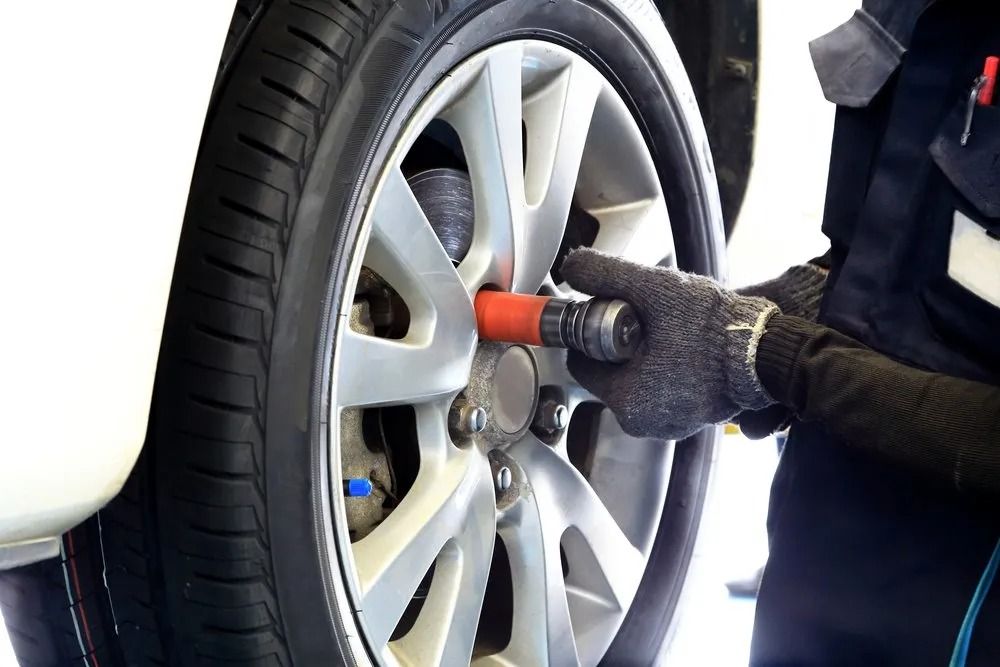
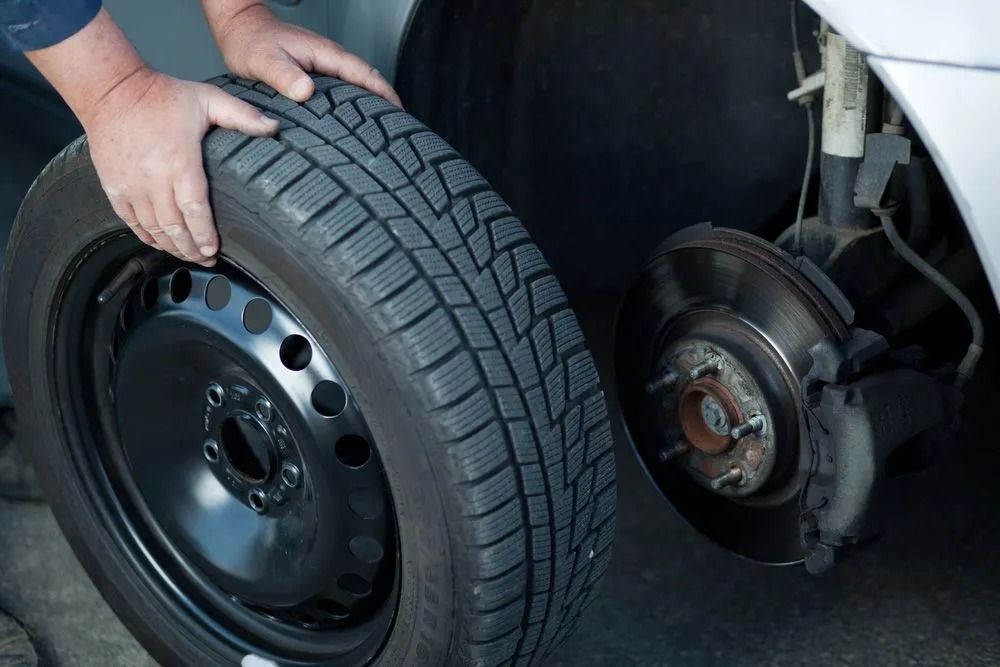
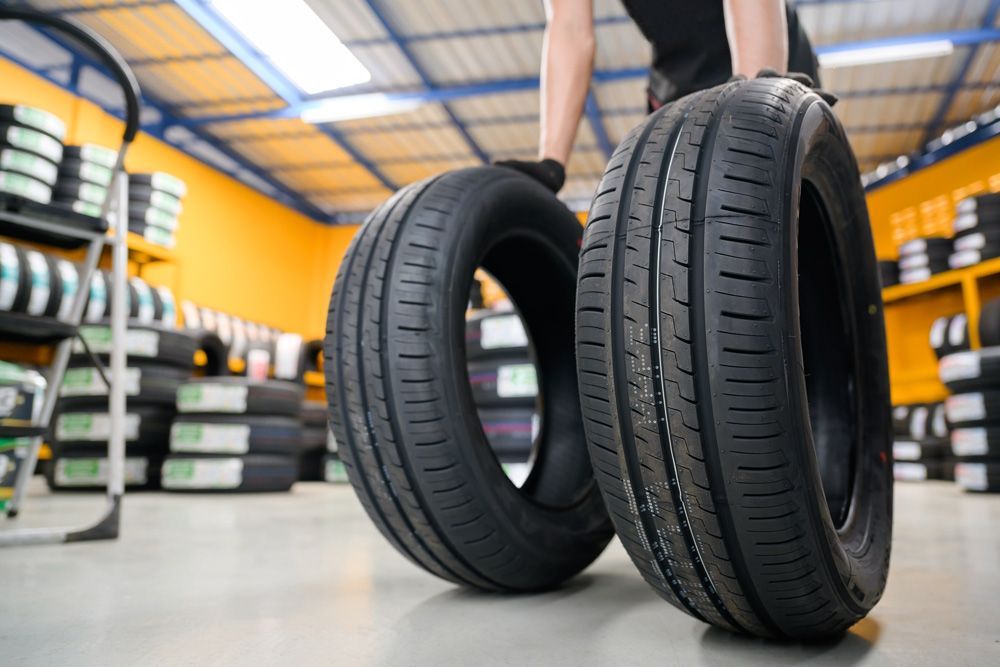
Your tyres decide how quickly your vehicle stops just as much as your brakes do. Brakes slow the wheels, but only the tyres' grip on the road brings the car to a halt. Worn tread, the wrong pressure or a poor-quality compound all add distance, especially in the wet. That's why GK Denney Tyres, fitting tyres Coffs Harbour drivers have trusted since 1973, treats every tyre check as a safety check.
Do Your Tyres Really Affect How Quickly You Can Stop?
Yes. When you press the pedal, the brake pads clamp the rotors and slow the wheels, but the vehicle only slows if the tyres can hold onto the road. Tread depth, inflation pressure and tyre quality all change how much grip is available in that moment, and the effect is biggest on wet roads.
Think of your brakes as making the request and your tyres as delivering it. Even a powerful braking system can't stop a car any faster than the rubber underneath allows.
How Does Tread Depth Change Your Braking Distance in the Wet?
Tread grooves exist to move water. As the tyre rolls, its grooves and sipes channel water out from under the contact patch, the small area of rubber that actually touches the road. Clear the water and the rubber meets the bitumen. Leave it there and the tyre rides on a thin film instead.
New tread has deep channels with plenty of capacity. As it wears, those channels get shallower and hold less water, so wet grip drops away well before a tyre looks bald. By the time tread approaches the legal minimum of 1.5mm, the tyre has very little capacity left to clear standing water.
That's where aquaplaning comes in. If water builds up faster than the tread can push it aside, the tyre lifts off the road and both braking and steering stop responding as you'd expect. On the Coffs Coast, where a subtropical downpour can leave water across the Pacific Highway within minutes, tread depth is one of the most important safety factors on your vehicle.
Can the Wrong Tyre Pressure Make You Stop Later?
It can, in two different ways. An under-inflated tyre flexes too much and wears irregularly, which leaves you with uneven grip across the tread. An over-inflated tyre bulges in the centre and reduces traction, because less rubber sits on the road, and you notice that most when braking hard.
The fix is simple. Check your pressures at least once a month when the tyres are cold, before you've driven far, and set them to the figures on the tyre placard in the driver's door frame or in your owner's manual. For a quick at-home routine, check our tyre pressure tips and test your tyres monthly while they're cold.
Load changes the picture too. Tradies running loaded utes, families towing caravans and fleet operators with heavy vehicles often need different pressures from the everyday setting, and many placards list a separate figure for full loads. Running a loaded vehicle at its unladen pressure leaves the tyres working harder at exactly the moment you have the most weight to stop.
Do Budget and Premium Tyres Stop Differently?
Generally, yes. Premium tyres typically use more advanced rubber compounds and tread designs engineered for wet-weather grip, which helps them hold the road when you brake in the rain. Budget tyres tend to focus on price, so their wet performance varies more from one brand to the next.
Here's the honest trade-off: condition matters more than the badge. A quality budget tyre with healthy tread at the correct pressure will stop better than a worn premium tyre near the end of its life. For plenty of drivers, a sensible budget or mid-range tyre replaced on time is a safer choice than stretching an expensive set too far.
If you're weighing up your options, our 2026 tyre pricing guide explains what each tier typically costs and where the extra money goes.
What Else Affects Stopping Distance – and Why Doesn't ABS Fix Worn Tyres?
Anti-lock braking systems (ABS) stop your wheels locking up under heavy braking. That matters, because a locked wheel skids and won't steer, so ABS helps you keep steering control while you brake hard. What ABS can't do is create grip the tyre doesn't have. It manages the traction that's available, so on worn or under-inflated tyres it simply has less to work with, and the car still takes longer to stop.
Several other factors also eat into your stopping ability:
- Poor wheel alignment or balance , which wears part of the tread down while the rest still looks fine.
- Tyre age , as rubber hardens and perishes over time and loses grip even when the tread looks healthy.
- Driving habits and road surfaces , since excessive braking and rough roads both wear tread faster.
- Vehicle weight , because loaded 4WDs, trucks and buses need more distance to stop and place more demand on every tyre.
For example, picture a loaded ute heading down Waterfall Way towards Dorrigo on a wet afternoon. Its tyres are slightly under-inflated, and the front pair are worn on the inside edge from a misaligned front end. Each issue seems minor on its own, but together they leave less grip on a steep descent, right where the driver needs it most.
How Can Coffs Harbour Drivers Keep Their Tyres Stopping Safely?
A quick monthly routine covers most of the risk:
- Pressure: check when the tyres are cold, match the placard and adjust for load.
- Tread: look across the full width (inside, centre and outside edges) and compare it with the tread wear indicators. Anything close to 1.5mm needs attention.
- Sidewalls: look for cracks, bulges, cuts or signs of perished rubber.
Not sure if your tyres are due? Our guide on how often you should replace your tyres explains the warning signs to look for. Some problems are hard to spot at home, and a professional tyre inspection can pick up uneven wear and ageing rubber that's easy to miss. It's worth booking one before the wet season, ahead of a long highway trip, or if you regularly tow or drive hinterland roads.
Where Can You Get a Tyre Check in Coffs Harbour?
GK Denney's team of 28 trained professionals, including fitters, repairers, sales reps and truck drivers, looks after everything from family cars and 4WDs to trucks, buses and fleets. We handle wheel alignment, balancing, rotation and pressure testing, and offer "while you wait" service on most repairs, so a check won't take over your day.
The takeaway is simple: brakes slow your wheels, but tyres stop your car. If you're unsure whether yours are up to the job, drop into our Fraser Drive workshop or call (02) 6652 2544 for a tread and pressure check before you replace anything. If your tread is getting close to the limit, the team at GK Denney can recommend the right tyres Coffs Harbour drivers rely on for safe stopping in all conditions.
Frequently Asked Questions